Retirement Villages Christchurch & Canterbury
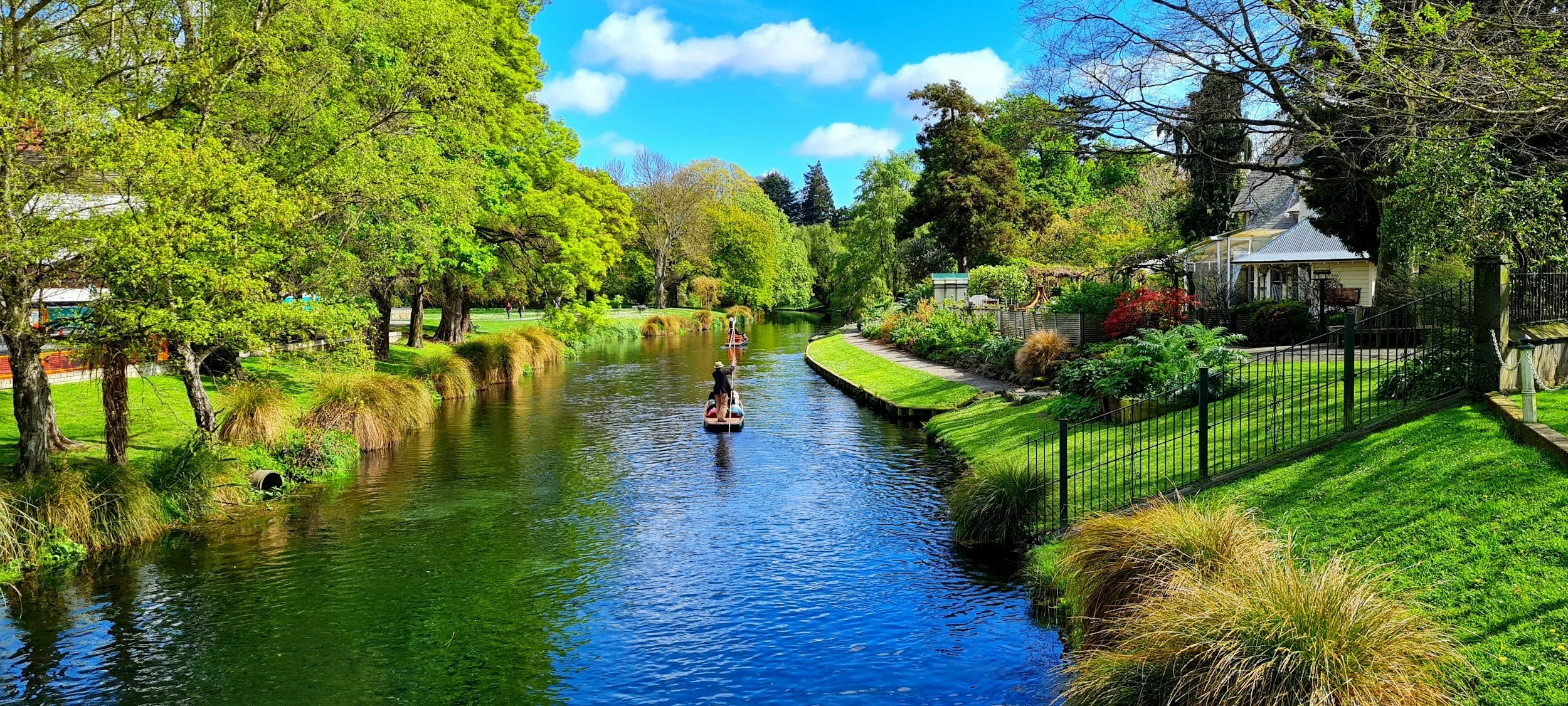
Christchurch is one of New Zealand's most appealing cities for retirement living. The rebuilt city centre, wide streets, accessible parks, and strong sense of community make it genuinely liveable — and Canterbury's variety means you can find something that suits you whether you want a walk to a café or a garden backing onto farmland.
This page covers retirement villages across the greater Canterbury region, including Christchurch city, Selwyn District, and Waimakariri District. Between them, these areas offer more than 60 retirement villages and communities ranging from small owner-operated villages to large campuses with full aged care on site.
What to Expect From Canterbury's Retirement Villages
Canterbury's retirement village market is varied. At the city end, you'll find villages close to New Brighton, Riccarton, Papanui, and Merivale — all within easy reach of central Christchurch's amenities. Further out, districts like Rolleston, Lincoln, Rangiora, and Kaiapoi offer newer developments with larger properties and a quieter pace.
The post-earthquake rebuild created an opportunity for Christchurch that few NZ cities have had: genuinely modern facilities built from scratch. Several of the city's retirement villages have been built or substantially redeveloped since 2012, meaning the stock is newer than in many other cities.
Christchurch city: urban convenience, proximity to hospitals, arts and culture
Selwyn District: newer developments, larger sections, growing communities like Rolleston and Lincoln
Waimakariri District: towns like Rangiora and Kaiapoi, quieter lifestyle with good services
Banks Peninsula and coastal areas: smaller communities, strong scenery, less service infrastructure
Types of Village Available in Canterbury
Like the rest of New Zealand, Canterbury's retirement villages are governed by the Retirement Villages Act 2003. Most operate under an Occupancy Right Agreement (ORA) — you pay an entry contribution (often called a licence to occupy) and pay weekly fees in return for the right to live there. You don't own the unit.
Independent Living
The majority of Canterbury villages offer independent living units — standalone villas or apartments where residents live entirely on their own. Communal facilities vary widely: some villages offer a full clubhouse, pool, and organised activities; others offer shared gardens and not much more.
Serviced Apartments
A step up from independent living, serviced apartments typically include meals, housekeeping, and closer staff monitoring. These suit people who want more support without moving into a rest home environment. Several Christchurch villages offer this tier, particularly on larger campuses.
Integrated Care Campuses
The largest Canterbury operators run campuses where independent living, serviced apartments, rest home care, and hospital-level care all sit on the same site. This continuity of care model is increasingly popular — it means if your needs change, you don't have to leave the community you've built.
Canterbury Village Locations at a Glance
Christchurch City - Urban; mix of established and rebuilt. For those wanting city access, hospital proximity.
Merivale / St Albans - Leafy inner suburb, walkable. For active retirees, café culture.
Riccarton / Ilam - Close to Westfield and hospital. Convenience-focused, near family in west.
Papanui / Bishopdale - Suburban, good transport links. Mid-range options, community feel.
New Brighton / Redcliffs - Coastal, relaxed pace. Beach lifestyle, quieter living.
Rolleston / Lincoln - New developments, Selwyn growth corridor. Modern facilities, spacious sections.
Rangiora / Kaiapoi - Provincial town feel, Waimakariri District. For those downsizing from rural or lifestyle blocks
Costs: What to Expect in Christchurch
Canterbury sits in the mid-range for retirement village costs nationally — more affordable than Auckland, broadly comparable to Wellington, though costs vary significantly by location and operator.
Unit Type
Entry Cost (approx.)
Weekly Fee (approx.)
1-bedroom unit - Entry Cost: $350,000–$550,000 + $130–$180/week
2-bedroom villa - Entry Cost: $450,000–$750,000 + $160–$220/week
Premium / larger villa - Entry Cost: $700,000–$1,000,000+ +$200–$280/week
Serviced apartment - Entry Cost: $250,000–$450,000 + $350–$550/week (incl. services)
Note: These figures are indicative only. Entry costs are the licence to occupy (ORA) price. Deferred Management Fees (DMFs) typically deduct 20–30% from this amount when you leave. Always read the full disclosure statement and get independent legal advice before signing anything.
Key Questions to Ask When Visiting Canterbury Villages
Whether you're looking in Christchurch itself or further out in Selwyn or Waimakariri, these questions apply across the region:
What is the Deferred Management Fee structure, and what is the maximum percentage?
Are there any village development plans that could affect my outlook, parking, or facilities?
What happens to my unit if I need to move to the on-site rest home or hospital — do I retain it?
Who manages the village, and how long have they been operating?
How are weekly fees calculated, and what's the history of fee increases?
Is there a residents' association, and can I speak with current residents?
What transport is available — particularly to Christchurch Hospital or specialist services?
Christchurch's Aged Care Landscape
Canterbury has a well-developed aged care sector. Christchurch Hospital and Burwood Hospital (which includes the Canterbury Rehabilitation Unit) provide strong specialist support, and the region has a higher-than-average concentration of dementia care facilities relative to population.
Te Whatu Ora Waitaha Canterbury coordinates aged care needs assessment through Needs Assessment and Service Coordination (NASC). If you or a family member has needs that go beyond independent living, a NASC assessment will determine what publicly funded support you're eligible for, including home care, rest home care, or hospital-level care.
For those already in Canterbury and considering a retirement village move, this assessment is worth doing early — it gives you a clear picture of your likely care needs, which in turn helps you choose a village that can meet them long-term.
Canterbury vs Other NZ Cities: A Quick Comparison
More affordable than Auckland for entry costs, broadly similar to Wellington
Strong rebuild-era infrastructure — newer facilities than most NZ cities
Good access to both urban services and quieter districts within 30–40 minutes
Christchurch Airport connects to most main centres for family visiting
Lower population density than Auckland means less pressure on aged care beds
How to Find the Right Village
Start with location — not just proximity to your current home, but proximity to the people and services that matter most to you. Then narrow by care offering: if you have health conditions that may progress, a village with on-site care is worth prioritising even if it costs more upfront.
Visit at least three villages before making any decisions. Go at different times of day if you can. Talk to residents, not just the sales team. And before you sign, take the disclosure statement to an independent lawyer — the Retirement Villages Act requires the village to give you at least 15 working days to review it.
Related Guides
Understanding Your ORA: What the Agreement Actually Means
Retirement Villages vs Rest Homes: Key Differences Explained