Community Groups and Social Activities for Seniors in New Zealand
A guide to the clubs, groups, programmes, and activities available for older New Zealanders and why social connection is one of the most important factors in healthy ageing.
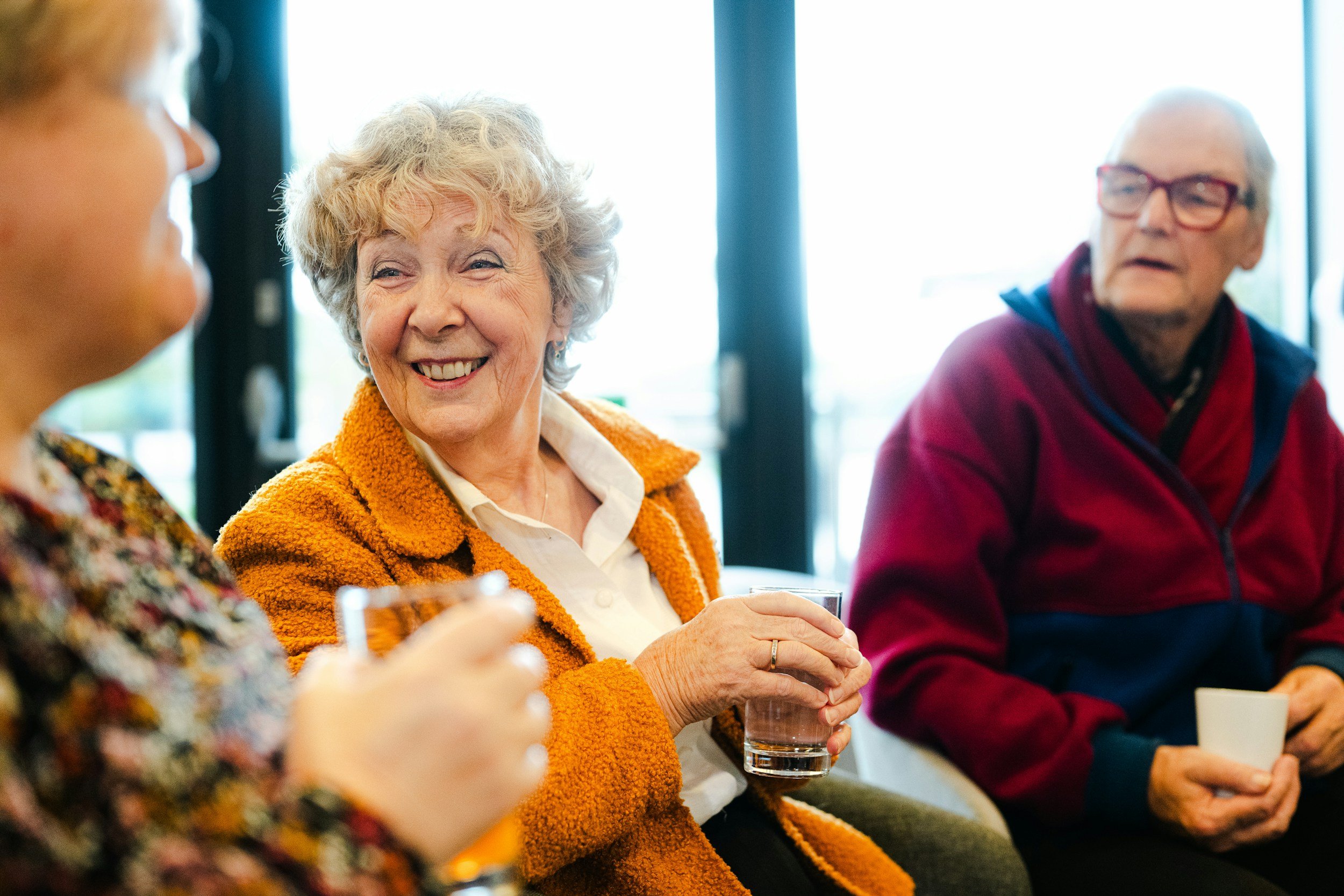
Why social connection matters
Loneliness and social isolation among elderly people are not just quality-of-life issues — they are health issues. Research consistently shows that chronic social isolation in older adults is associated with significantly worse physical and mental health outcomes, including higher rates of dementia, cardiovascular disease, and depression.
Many areas of New Zealand have strong networks of community organisations serving older people, but many elderly people, particularly those who have recently moved, lost driving ability, or lost a spouse, are not connected to them. One of the most useful things a family can do is help a parent find and maintain social connection.
WORTH KNOWING
The transition into community activities is much easier when someone still has the confidence and capability to participate fully. Waiting until a parent is significantly isolated or unwell makes finding and sustaining social connection much harder. Earlier is better.
Types of groups and activities
Age Concern
Age Concern provides a range of services for older people including social activities, friendly visiting, walking groups, and programmes addressing social isolation. They are an excellent first port of call for families looking to connect an elderly parent with local activities and support.
U3A — University of the Third Age
U3A (University of the Third Age) provides intellectually stimulating programmes, study groups, and lectures for retired people. The organisation has a strong membership in many regions and offers a wide range of interest groups. For parents who value learning and discussion, U3A is worth exploring.
Probus
Probus clubs provide social connection and activities specifically for retired and semi-retired people. There are multiple Probus clubs across the country, meeting regularly and offering a structured social environment.
Men's Sheds
Men's Sheds provides a community space and practical activities specifically aimed at men — particularly those who are retired, recently widowed, or socially isolated. Research has consistently shown that social isolation is a significant issue for elderly men. Men's Sheds offer a genuinely effective response.
Community centres
City and district councils operate community centres across their regions offering a range of activities, classes, and social programmes for older residents. These vary by location but often include fitness classes, craft groups, and social events.
Church and faith communities
For many older people, church and faith communities remain a central source of social connection and practical support. Many church communities actively support elderly members — particularly those who can no longer attend in person — with visiting, transport, and practical help.
Interest-based clubs
Gardening clubs, bridge clubs, bowls clubs, knitting groups, tramping clubs (at an appropriate pace), photography groups, there are a wide range of interest-based clubs where older people can remain active and connected. These often provide the most meaningful social connection because they're built around shared interests rather than age alone.
Helping a parent stay connected — practical tips
Research what's available in their specific suburb or town, for example, what works in central Christchurch may not exist in rural Canterbury
Offer to go with them the first time — new environments are harder for older people, particularly those who are shy or anxious
Don't dismiss activities they seem uninterested in without trying — sometimes the barrier is unfamiliarity rather than genuine disinterest
Stay alert to the signs of social withdrawal — reduced contact with friends, disengagement from activities they used to enjoy, low mood
Where transport is a barrier, address that specifically — it's often the actual reason rather than lack of interest
Related Guides and Pages
Dementia Care (day programmes are heavily used by this group)